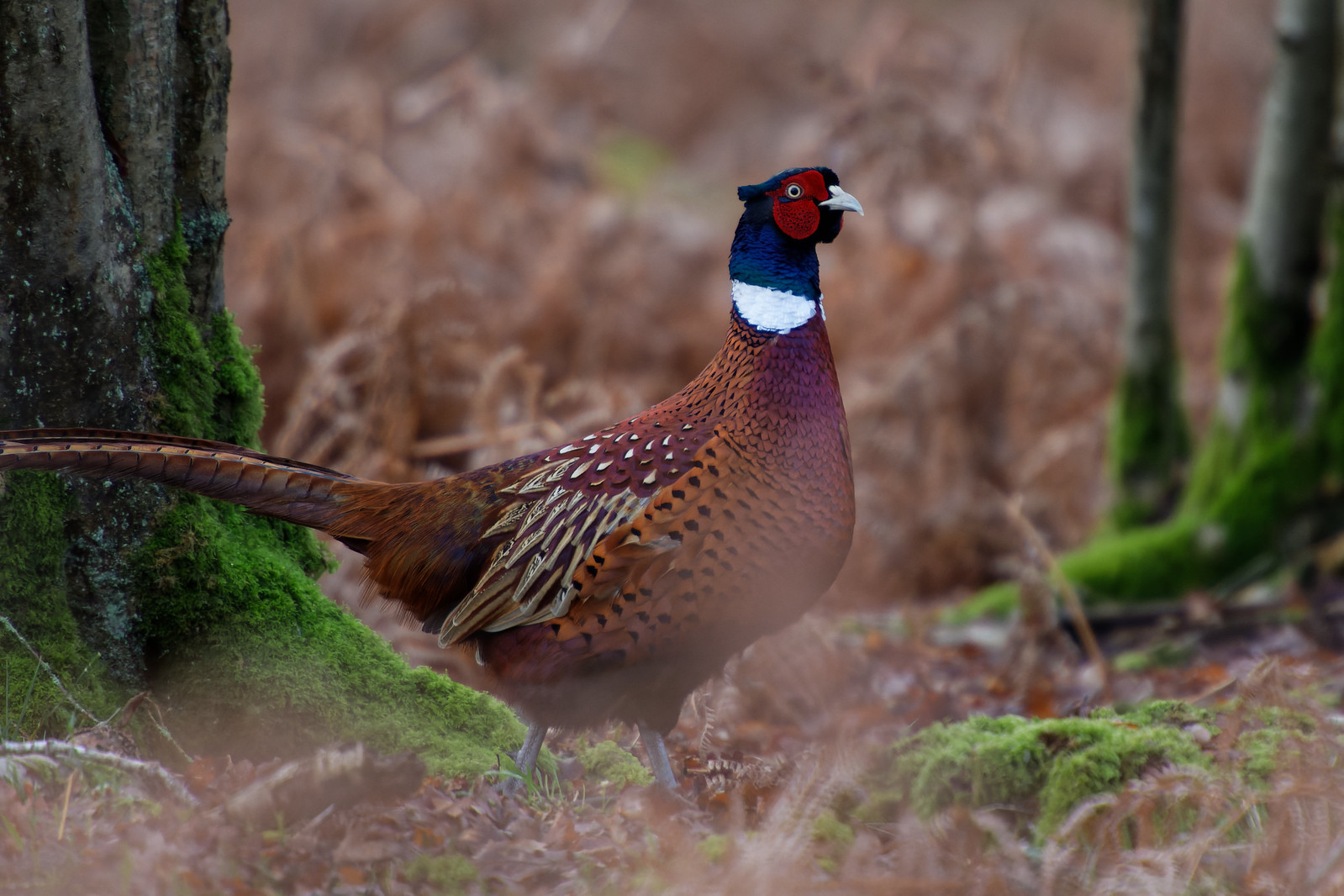
This post is by Guy Shrubsole. Photo: AndyHi8 on Flickr, Creative Commons Licence (CC-BY-NC-ND 2.0)
The latest official figures show an ongoing increase in the reported number of pheasants being bred, reared and released in England, according to a Freedom of Information response I’ve received back from the government’s Animal and Plant Health Agency (APHA).
As of August 2026, 26.37 million pheasants were being bred, reared or released in England, the APHA data shows. This compares to 25.9m pheasants in July 2025, and 25.7m in January 2024, based on previous FOI requests I’ve made and reported on here and here.
The full FOI’d dataset is in Google Docs here, with separate tabs added for breeding, rearing & releasing (as before, I’ve also included summaries of the top ten postcode areas for rearing and releasing of pheasants, which remain very similar regions of the country).
There are two possible explanations for the ongoing increase in reported pheasants numbers:
a) The industry is gradually getting better at reporting; or,
b) The figures simply reflect an ongoing expansion in the size of the industry.
Whichever’s the case, these latest figures actually massively underplay the likely true scale of the pheasant shooting industry, because we know they are notoriously crap at complying with their basic legal reporting requirements.
We know from the shooting industry themselves that some 50m pheasants are released in Britain annually (a figure accepted by GWCT). The RSPB estimates (p.26 of report) that English estates account for 85% of pheasant rearing and releasing in Britain, which would mean that perhaps some 42.5m pheasants are released in England annually. These latest APHA figures, therefore, suggest that some 16 million pheasants are ‘missing’ from the official register.
But why, you ask? Surely, surely, an industry this vast would abide by the law and be compliant with its basic responsibilities? Alas: the government’s environmental watchdog Natural England has previously complained about “the lack of compliance with the [APHA] poultry register” by pheasant shoots.
Given this past performance, I have very little confidence that the gamebird industry is cleaning up its act, and strongly suspect that the rise in reported numbers is simply a function of the industry expanding, rather than it becoming more honest.
And lest we forget, pheasants are a non-native species to the UK, with no natural ecological niche here, and with disturbing and mounting evidence of their detrimental effects on our ecosystems. The weight of pheasants released each autumn is greater than the total breeding population of the entire British wild bird population.
The fact that there is so little regulatory enforcement around this vast industry is particularly politically pertinent right now. Because the UK Government have just opened a new Call for Evidence on the environmental and animal welfare impacts of gamebird rearing and releasing. It closes on 1st November.
This follows the government’s Land Use Framework, published in March 2026, which stated the government would “explore wider measures such as licensing and any associated conditions for recreational gamebird shooting and release, going beyond current approaches which only apply on or near European protected sites. This will begin with evidence gathering and any proposed changes will be subject to public consultation.”
DEFRA’s ‘Call for Evidence’ is the first, evidence-gathering stage in that process. If Ministers and officials are then sufficiently convinced of the need to regulate the gamebird industry, they will then launch a public consultation on their proposed measures.
It’s vital that the public input to both this Call for Evidence and any subsequent consultation – because you can be sure as hell that the shooting lobby will be deluging DEFRA with responses, to try to stop them imposing any regulations on this out-of-control industry.
I’ll be preparing an evidence submission a little later down the line and will likely publish it here, but don’t wait on me to make your own submissions of evidence. Whilst peer-reviewed academic studies will clearly carry most weight, it’s important to note that DEFRA say they also welcome “well-documented operational or experiential evidence”. I’d suggest that any member of the public who’s experienced any impacts of gamebird releases should submit evidence: whether that’s experience of having your vehicle struck by a pheasant on a country lane, to evidence of pheasants eating your crops and plants, to evidence of dead pheasants you’ve encountered walking in the woods, to witnessing the sheer scale of pheasant shoots in the countryside – from ‘stink pits’ filled with discarded pheasant carcasses, to huge pheasant release pens located on the edge of nature reserves.
It’s time us peasants took a stand against the pheasants – and reined in the industry that releases them.


Thanks Guy for highlighting this crazy “industry ” . If it wasn’t do powerful it would be much better regulated and preferably banned entirely!Best wishes Clive
LikeLiked by 1 person
Appalling.
LikeLike